


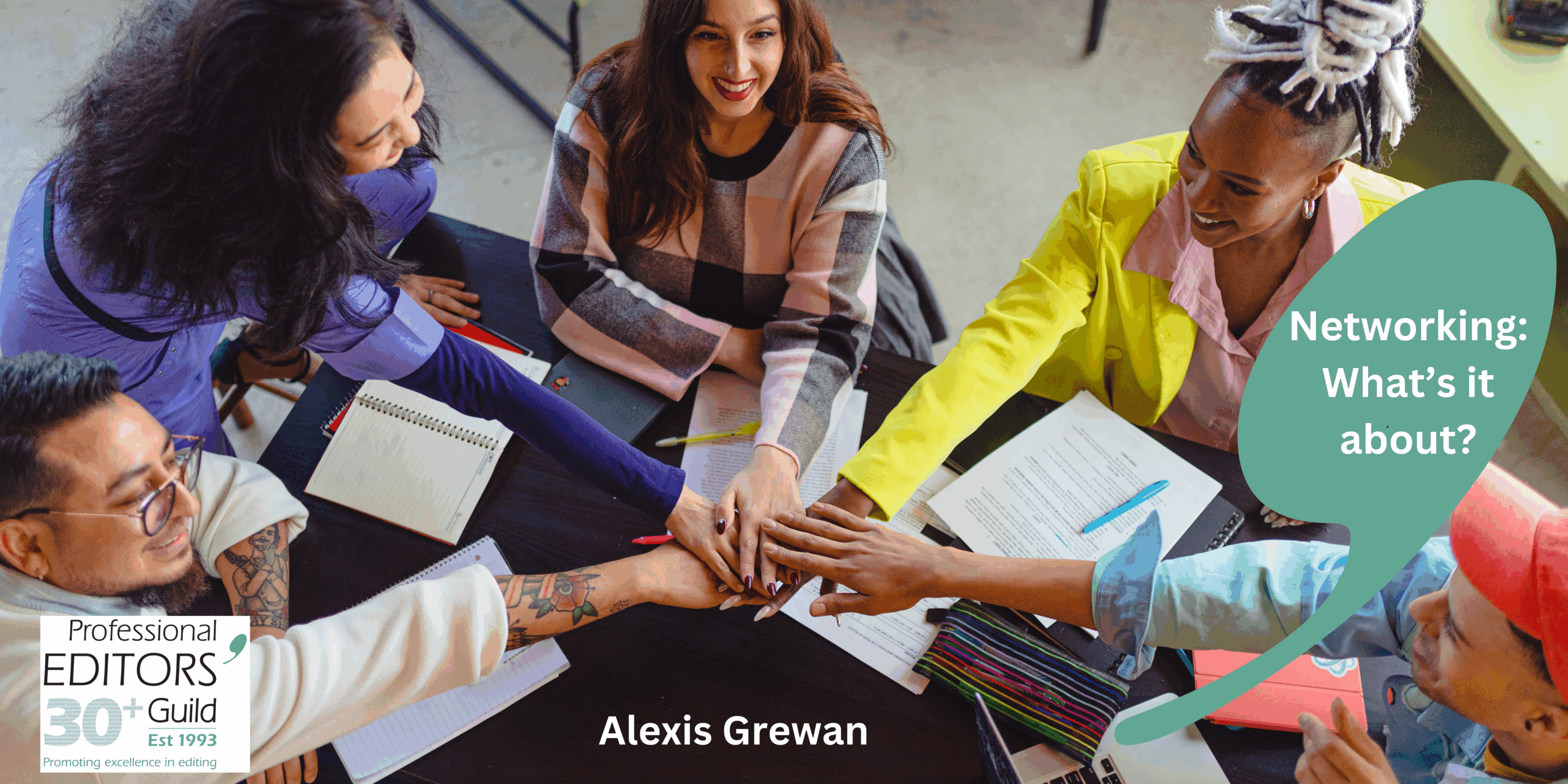
I believe in building professional connections. All the time. My network of professionals is made up of colleagues and clients almost entirely related to my field of work in one way or another. It’s where I learn, I feel motivated and I expand my knowledge, skills and perspectives. I am also prompted to give back. My networks have brought me income, professional development, sources of referral (both ways) and they’ve mitigated periods of precarious work. You never know where your next job will come from, or your next learning. You also never know which colleague (or client) may just prompt the development of a new initiative.
Networks are important, they hold unexpected value and they have potential for ongoing expansion with reciprocal benefits. In this blog, I share with you what my networks have meant to me in the hope that you too can benefit from working on and in your professional groups.
Virtual and real connections
In the digital age, your virtual connections with people online can be as valuable as your connections with people you have met in person. In fact, looking after your digital network is probably more important because it gives you access to so many more professionals and their related networks too – and at breakneck speed, so be mindful of what you share! My network expanded exponentially just through shared posts on platforms such as LinkedIn and WhatsApp.
Expected and unexpected interactions
We make the mistake of thinking that we have to know someone fairly well for them to add value. What I’ve experienced is that if you connect with people in a professional and sincere manner, they’ll respond similarly. People are generally eager to be a part of groups and are usually willing to learn and share. If your attitude is one that embraces these values, then those in your networks will recognise this and respond accordingly. And you’d be likely to do the same for them.
Relevant and irrelevant contacts
Your network of contacts should speak to your work. There’s no point having friend groups and family members in your line of editing network (unless they work in the same arena). Your editing network should rather be representative of the work you do and associated activities, such as professional memberships or professional interest groups. Keep a healthy distinction between what is professional and what is personal.
Good and bad associations
Not all contacts are necessarily valuable. You need to know which people you’d like to be associated with and which you’d rather leave out of your network. Keep those people who seem to have the same work ethic and value base as you and who behave in a similar professional manner to you. Sometimes rotten apples make an appearance, but this doesn’t mean you can’t toss them out. Your reputation is important and your network speaks to that. I keep people in my network with whom I’m happy to be associated.
Introverts and extroverts
Not everyone has the need or personality to speak up, raise a hand, or make a statement. That’s okay. What’s lovely about digital networks in particular is that you can still leverage contacts and establish strong connections through professional and clear communications. This means that everyone can have a strong network – it’s not only for those of us who seem more comfortable to initiate things. I am an extrovert so it’s not difficult for me, but many of my network connections came from gentle introductions rather than public appearances or permissible forms of cold calling.
Build your network this way
There are a few sound principles to follow if you want your networks to work for you:
You have to be connected to have a network
For introverts and extroverts this means:
- professional membership of relevant organisations
- engaging in discussions and attending relevant talks, webinars, training
- having an online presence – LinkedIn or other social media accounts, personal website, professional membership profile – and being active there to the extent that is comfortable for you.
Make sure the quality of your interactions is professional
You can do this by:
- responding promptly to all queries and interactions
- being clear about what you can and can’t do
- offering alternatives when you are not able to help.
Be reliable
This means the following:
- completing the service or task you committed to doing
- delivering work on time
- taking responsibility for your admin (getting paid, preparing quotations, following up on promised tasks, responding to messages, etc).
Embrace and practise diversity in your range of network connections
This is important because:
- it brings variety to your network
- people with different identities (language, age, race, education, type of work) add depth to your knowledge and skill base
- it’ll expose you to new perspectives on how to interact, how to work and how to solve challenges, and it may even undo self-defeating biases.
The long and short of it
If they can, clients will return, even if it takes a year or three. Colleagues seek connection and will join your network if it has appeal. And they’ll send others your way. Networks are dynamic but need to remain stable at the same time. People may move in and out but the values that built the network need to remain consistent. In my experience, colleagues and clients remember the quality of our interaction and the experiences we shared, which brings security to the network and which is a connection worth revisiting. If you look after your networks, they’ll look after you.
929 words

